2026-07-31 · Marcus Reed
What Affects Airbnb Cleaning Costs in Denver Neighborhoods
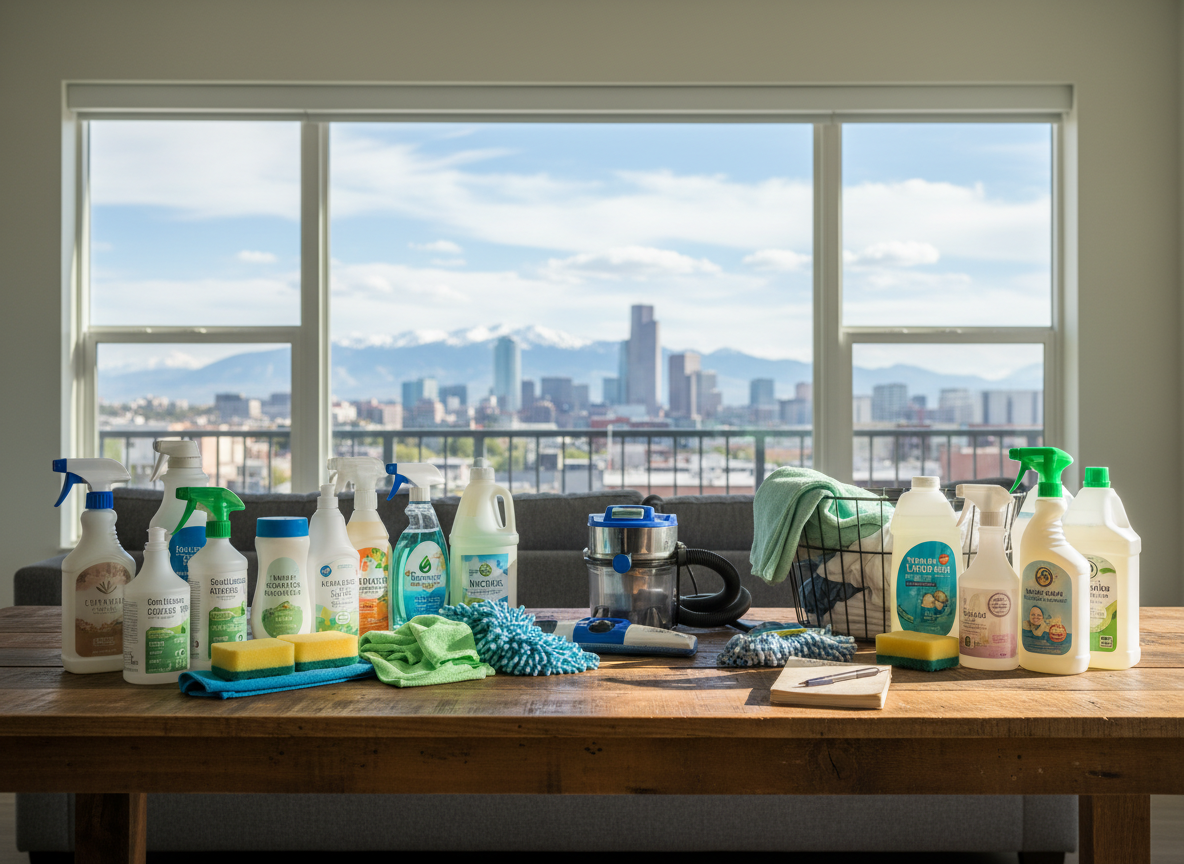
Airbnb cleaning costs in Denver neighborhoods typically range from $150 to $450 per turnover, driven mainly by property size, guest volume, specific neighborhood access challenges, and Denver's semi-arid climate with hot summers, cold winters, and frequent afternoon thunderstorms. These elements combine to create noticeable price differences between areas such as Capitol Hill and Cherry Creek.
Neighborhood Access and Layout Differences
Denver neighborhoods present distinct cleaning variables. Properties in LoDo and RiNo often feature multi-level lofts and industrial conversions that require extra time for staircases and exposed brick surfaces. Capitol Hill and Baker homes frequently include older layouts with tight hallways and multiple bathrooms, increasing labor hours. Highland and Washington Park listings tend toward larger square footage with outdoor spaces that collect pollen and dust from nearby City Park or Denver Botanic Gardens. Five Points and Park Hill short-term rentals may need additional attention to shared entryways. These layout factors add $50 to $150 to base rates compared to newer Stapleton builds. Mount Evans proximity also means some higher-elevation properties collect more wind-blown debris, extending standard turnover cleaning sessions by 30 to 60 minutes.
Denver Climate Effects on Cleaning Needs
Semi-arid conditions create consistent dust accumulation that requires specialized HEPA vacuuming between every guest stay. Hot summers increase outdoor pollen tracking from areas near Red Rocks Amphitheatre or Union Station, while cold winters bring snow and mud tracked from Coors Field events or City Park walks. Frequent afternoon thunderstorms leave water spots on windows and tracked-in grit that demands extra floor work. These patterns mean crews often add 20 to 40 minutes per turnover during peak thunderstorm season. Properties near Denver Art Museum or Mount Evans see elevated dust loads year-round, pushing some owners toward scheduled deep interventions rather than basic turnovers.
Property Size, Amenities, and Turnover Frequency
Larger homes with three or more bedrooms and attached bathrooms in Cherry Creek or Montclair command higher rates because each additional room multiplies surface cleaning time. Listings that include hot tubs or high-traffic common areas require specialized equipment and longer cycles. High guest volume in popular zones like LoDo near Union Station can mean daily turnovers instead of weekly ones, raising per-clean costs through rushed scheduling. Smaller one-bedroom units in Baker or Sunnyside often stay under $200, while 2,500-square-foot homes approach $400 when linen changes and full kitchen resets are included. Frequency directly affects pricing because crews must maintain consistent quality across back-to-back bookings.
Practical Steps to Manage Local Cleaning Expenses
Track exact square footage and amenity lists before requesting quotes so providers can allocate accurate time blocks. Schedule deeper sessions after peak summer or winter periods to prevent buildup that inflates routine turnover pricing. Review the Denver Airbnb Winter Cleaning Checklist for Snow and Mud and the guide on How to Handle High-Altitude Dust in Denver Short-Term Rentals for targeted seasonal adjustments. Owners in Highland or RiNo can reduce costs by pre-stocking supplies through coordinated Supply Restocking and Linen Laundry Service visits. Consistent communication with crews about expected guest counts per neighborhood helps avoid surprise add-ons during busy Coors Field or Denver Art Museum event weekends.
Closing Considerations for Denver Hosts
Understanding these local variables helps hosts set realistic budgets for Airbnb cleaning across Denver County. Factors like neighborhood layout, climate-driven dust, property scale, and turnover pace create the primary cost differences observed between Capitol Hill and Stapleton properties. Monitoring these elements allows owners to anticipate expenses rather than react to them after peak seasons.